


-
 Car Safety Seat 1 × $940.00
-
 Bus Safety Hammer 1 × $899.00
-
 Car Steering Wheel 1 × $756.00
-
 Transponder Car Key 1 × $723.00
-
 Safety Hand Glove 1 × $1080.00
Subtotal: $4398.00


Magazines cover a wide subjects, including not limited to fashion, lifestyle, health, politics, business, Entertainment, sports, science,
Car Safety Seat 1 × $940.00Bus Safety Hammer 1 × $899.00Car Steering Wheel 1 × $756.00Transponder Car Key 1 × $723.00Safety Hand Glove 1 × $1080.00Subtotal: $4398.00

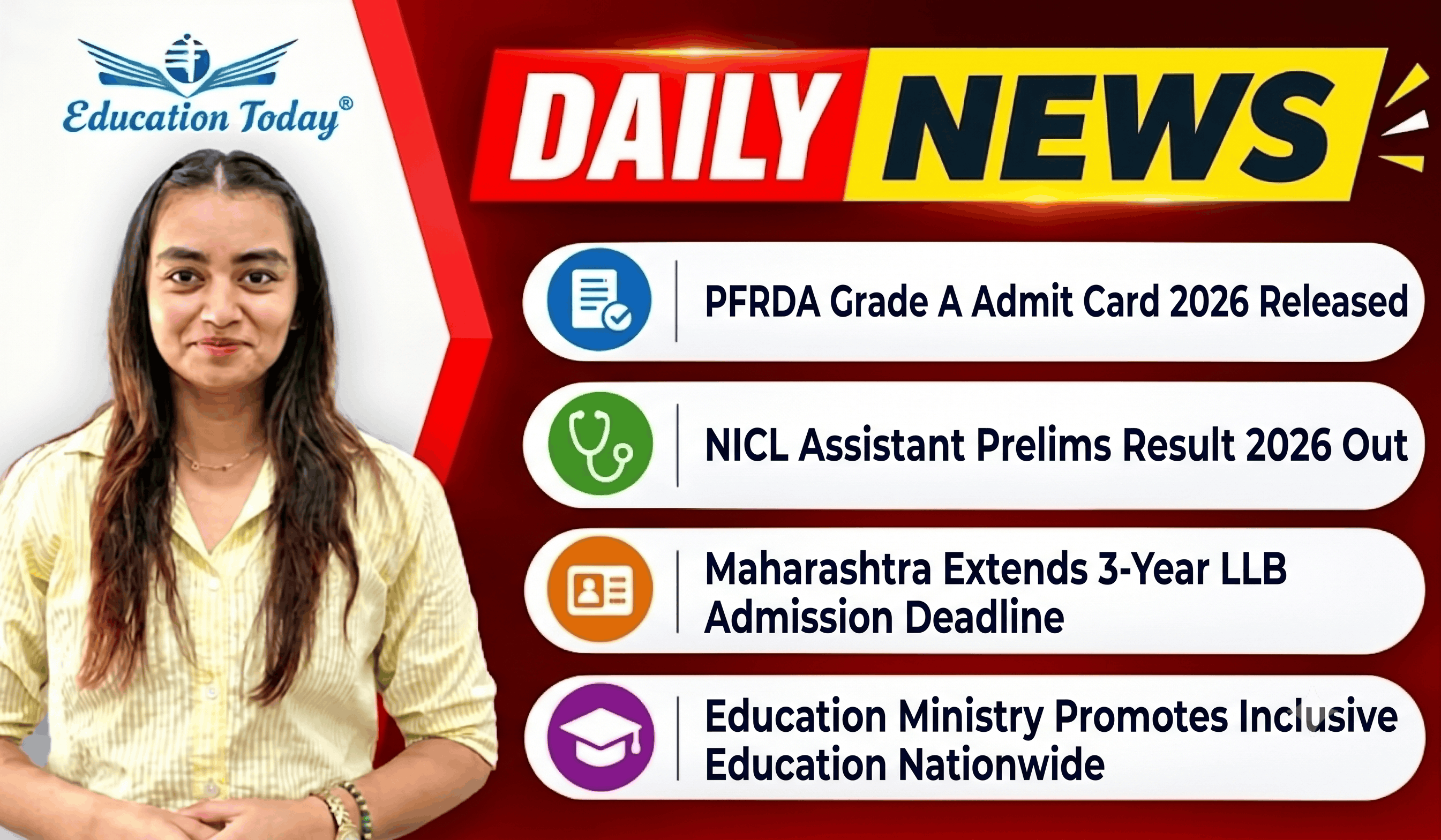
Explore the latest Indian education updates on recruitment results, law admissions and inclusive education initiatives shaping opportunities for students and job aspirants.
Recent developments across recruitment examinations, higher education admissions and school inclusion highlight the changing priorities of India’s education and professional landscape. From examination updates to nationwide initiatives supporting children with special needs, these developments underline the importance of access, preparedness and institutional responsibility. The Pension Fund Regulatory and Development Authority (PFRDA) has released the Grade A Phase 1 admit card for its 2026 recruitment examination. Candidates can download their hall tickets from the official website and verify their examination details before appearing for the test. Meanwhile, the National Insurance Company Limited (NICL) has announced the results of its Assistant Preliminary Examination, allowing candidates to check their qualifying status for the next selection stage.
These developments carry wider implications for educational institutions, recruitment bodies and policymakers. Timely admissions and transparent examination processes help candidates navigate important career transitions, while inclusive education initiatives emphasise the need for teacher training, early identification of learning needs and accessible school environments.
For the education sector, these initiatives demonstrate that progress requires more than examination outcomes and admission opportunities. Institutions must also focus on equitable participation, effective implementation and support for learners with diverse needs. Recruitment bodies and universities play an important role in ensuring that procedures remain accessible, while schools need suitable resources and trained educators to create inclusive learning environments.
EducationToday continues to track developments that influence educational access, institutional practices, and professional opportunities across India. These changes underscore the importance of linking policy decisions to practical implementation to strengthen the country's education ecosystem.
Explore the latest Indian education updates on recruitment results, law admissions and inclusive education initiatives shaping opportunities for students and job aspirants.
Recruitment examinations: The PFRDA admit card release and NICL preliminary results mark important stages in the recruitment process, requiring candidates to monitor official notifications and meet subsequent deadlines.
Daily News published on 09 October 2026 by EducationToday.
This Daily News is written for readers looking for the latest education updates.
Your comment will appear on the website only after admin approval. Required fields are marked *
Comments (0)
No approved comments yet. Be the first to leave a comment.